
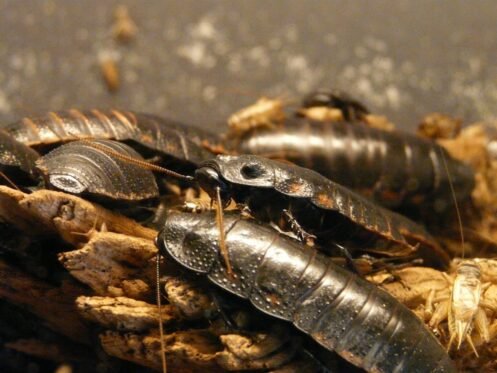
Roach activity is rarely accidental. When cockroaches appear, it usually signals that conditions inside or around a property support survival, feeding, and reproduction. Effective roach treatment requires more than eliminating visible insects. Professionals focus on understanding why roaches are present, how populations are sustaining themselves, and which factors allow infestations to persist over time.
From kitchens and bathrooms to wall voids and utility areas, roaches exploit warmth, moisture, and shelter. Without a structured approach, treatments may only address surface activity while colonies remain active behind walls or beneath flooring. Expert-driven roach treatment strategies emphasize precision, monitoring, and environmental control rather than quick fixes.
Understanding Roach Behavior and Infestation Patterns
Roaches are highly adaptive pests with behaviors that make them difficult to control without experience and planning. Professionals begin roach treatment by evaluating how roaches move, feed, and hide within a structure.
- Nocturnal activity patterns that limit daytime visibility while allowing populations to expand unnoticed
- Preference for tight spaces such as cracks, voids, and appliance cavities where treatments are harder to reach
- Rapid reproduction cycles that allow small infestations to grow quickly under favorable conditions
- Food and moisture dependency that ties infestations to specific rooms or structural features
Understanding these behaviors helps professionals determine where activity originates rather than reacting to where roaches are seen. Effective roach treatment accounts for nesting zones, travel routes, and pressure points that sustain the infestation.
Conditions That Undermine Roach Treatment Success
Roach treatment outcomes are heavily influenced by environmental and structural conditions. Even well-applied treatments may struggle if underlying contributors remain unaddressed. Professionals evaluate how these factors interact throughout the property.
- Moisture accumulation from plumbing leaks, condensation, or poor ventilation
- Food residue and organic buildup in kitchens, storage areas, and waste zones
- Cluttered spaces that create undisturbed harborages
- Structural gaps and penetrations that allow roaches to move freely between rooms
These conditions often develop gradually and are easy to overlook. Professional roach treatment strategies incorporate environmental assessment to reduce the likelihood of reinfestation. Broader home service coordination can also influence outcomes, as explained in this discussion on integrated home services, which highlights how overlapping maintenance issues affect pest pressure.
Professional Treatment Methods That Deliver Results
Modern roach treatment relies on targeted, evidence-based methods rather than broad applications. Professionals select treatment tools based on species, infestation size, and environmental conditions.
- Targeted baiting systems designed to reach hidden populations through shared feeding behaviors
- Residual applications placed in strategic zones to disrupt movement and reproduction
- Insect growth regulators that prevent immature roaches from developing into breeding adults
- Monitoring tools used to track activity changes and guide follow-up adjustments
These methods are applied with attention to placement, timing, and safety. Professional roach treatment emphasizes precision to avoid unnecessary exposure while maximizing effectiveness. Ongoing monitoring ensures that treatments remain effective as conditions evolve.
Why Timing and Preparation Matter in Roach Control
Roach activity fluctuates with temperature, humidity, and seasonal changes. Effective roach treatment accounts for these variables rather than applying static solutions. Professionals plan treatments around periods of increased activity to intercept infestations before populations peak.
Preparation also plays a key role in treatment success. Access to critical areas, accurate identification of pressure points, and coordination with seasonal maintenance improve outcomes. This overview of seasonal pest readiness illustrates how timing and preparation support more effective pest management across changing conditions.
Roach treatment performed without proper preparation often leads to incomplete control. Professional planning ensures treatments reach the areas that matter most while supporting long-term prevention.
Long-term Control Through Professional Oversight
Roach treatment is most effective when approached as a managed process rather than a single event. Professional oversight allows treatments to be adjusted based on activity trends, environmental changes, and monitoring results. This adaptability is critical given the resilience and adaptability of roaches.
Professionals document findings, evaluate treatment performance, and refine strategies to prevent recurrence. This structured approach reduces reliance on repeated applications and improves overall efficiency. By addressing contributing conditions alongside direct treatment, professional roach treatment programs deliver more stable and lasting results.
- Ongoing activity monitoring that identifies subtle population changes before infestations resurge
- Data-driven treatment adjustments based on documented trends rather than assumptions
- Evaluation of environmental contributors such as moisture shifts or structural changes that influence roach behavior
Strategic follow-up scheduling to disrupt reproduction cycles and reinforce control efforts
Long-term control also protects structural integrity, sanitation standards, and occupant comfort. Expert management ensures that infestations are resolved at their source rather than repeatedly resurfacing.
A Smarter Way To Regain Control
For those seeking dependable and effective roach treatment guided by proven expertise, professional support makes a meaningful difference. Contact Bucksworth Home Services to discuss comprehensive roach control solutions designed for lasting results.