
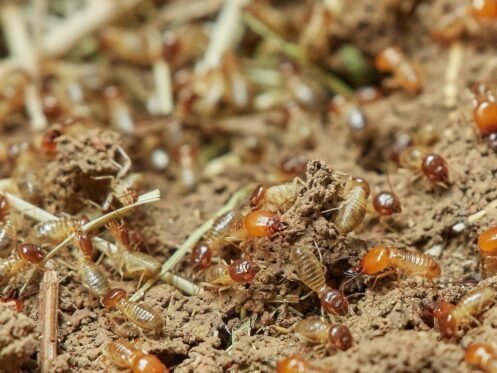
Termites remain one of the most damaging structural pests in the Southwest. Arizona’s climate creates unique pressures that influence how colonies grow, travel, and access structures. From an expert perspective, termite baiting systems offer a strategic approach that differs from traditional liquid treatments. Understanding how these systems work and how they perform under Arizona conditions helps clarify when termite baiting is an effective option.
Termite baiting focuses on colony-level control rather than surface elimination. Instead of creating a chemical barrier, bait systems rely on termite behavior, foraging patterns, and social feeding habits. When properly designed and maintained, this approach can reduce colony activity over time while supporting long-term monitoring.
How Termite Baiting Systems Function
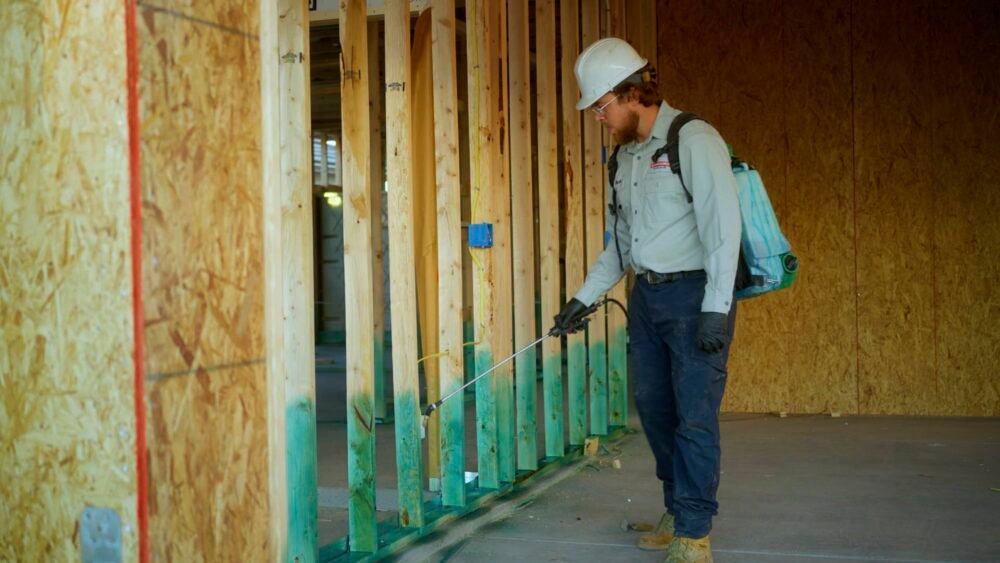
Termite baiting systems are designed to intercept termites as they forage underground. Stations are placed in soil around a structure in locations where termites are likely to travel. These stations contain materials that attract termites and allow professionals to monitor activity before introducing active bait.
The process typically includes:
- Initial placement of monitoring stations around the perimeter.
- Regular inspections to detect termite presence.
- Introduction of bait material once activity is confirmed.
- Ongoing monitoring and replenishment as termites feed and share bait within the colony.
Termite baiting works because termites feed collectively. Workers carry food back to the colony, sharing it with others, including reproductives. Over time, this disrupts the colony’s ability to grow and sustain itself. Unlike surface treatments, baiting aims to reduce the population at its source rather than just blocking access temporarily.
Why Arizona’s Climate Changes Termite Behavior
Arizona’s environment plays a significant role in termite activity. Hot summers, mild winters, and fluctuating moisture levels influence where termites nest and how often they forage. These factors directly affect how termite baiting performs.
Professionals account for Arizona conditions such as:
- Extended warm seasons that allow termites to remain active for longer periods.
- Localized moisture sources from irrigation, plumbing, or landscaping.
- Soil composition that affects tunneling depth and movement.
- Seasonal rainfall patterns that temporarily increase foraging.
Understanding these factors is critical. Termites in this region do not always behave like those in wetter climates. A detailed look at how colonies adapt locally is outlined in arizona termite climate, which explains why monitoring and placement strategy matter more than one-time treatments.
When Termite Baiting Is Most Effective
Termite baiting is not a quick response solution. It works best as part of a planned program focused on monitoring and prevention. Professionals typically recommend baiting in situations where long term oversight is preferred.
Termite baiting is most effective when:
- Termite pressure is moderate and detected early.
- Soil treatments are limited by construction or environmental factors.
- Ongoing monitoring is desired to track changes over time.
- Structures benefit from non-intrusive methods that avoid drilling or trenching.
This approach allows professionals to observe trends rather than guessing at activity. Over time, baiting can reduce colony size and help prevent reinfestation. It also provides valuable data about termite movement around the property, which supports informed decision-making.
How Baiting Compares to Other Treatment Options
Every termite control strategy has strengths and limitations. Termite baiting differs from liquid treatments in both function and outcome. Instead of creating an immediate barrier, baiting relies on biological processes within the colony.
Key differences professionals consider include:
- Speed of results, with baiting acting gradually rather than immediately.
- Coverage, focusing on colony suppression rather than soil saturation.
- Maintenance needs, requiring regular inspections and adjustments.
- Long-term prevention, offering ongoing monitoring instead of a fixed lifespan.
In older homes, where structural vulnerabilities already exist, understanding treatment impact becomes especially important. The risks of delaying or overlooking termite issues are outlined in termite damage risks, which highlights why selecting the right approach matters as much as timing.
Why Professional Oversight Matters With Baiting Systems
Termite baiting systems depend on precision. Placement, inspection intervals, and interpretation of activity all influence success. Without professional oversight, baiting can fail to intercept termites or remain inactive when adjustments are needed.
From an expert standpoint, professional management ensures:
- Accurate station placement based on property conditions.
- Consistent monitoring schedules aligned with seasonal activity.
- Proper bait selection and timing to match feeding behavior.
- Clear documentation to track progress and identify changes.
Arizona’s climate requires flexibility. Activity levels shift with temperature and moisture, and baiting strategies must adapt accordingly. Professional oversight helps ensure systems remain effective rather than passive. Termite baiting becomes a dynamic process rather than a set-and-forget solution.
Over time, this structured approach supports informed decisions about additional treatments, repairs, or preventive steps. It also reduces the likelihood of unnoticed damage developing beneath the surface.
Making The Right Choice For Long Term Protection
Termite baiting systems can be highly effective when designed around Arizona’s unique conditions and supported by ongoing monitoring. For homeowners seeking a strategic, long-term approach to termite control, professional guidance provides clarity and confidence. Contact Bucksworth Home Services to discuss whether termite baiting fits your property and protection goals.