
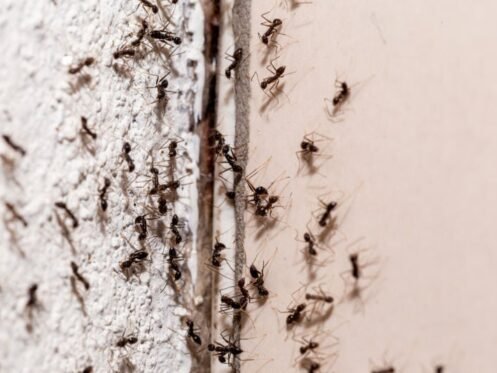
Spring marks a major shift in ant behavior. As temperatures rise and soil moisture increases, ant colonies become more active, expand existing nests, and establish new ones closer to homes. What appears to homeowners as a sudden ant problem is usually the result of weeks of underground preparation. From a professional perspective, spring ant activity follows predictable patterns tied to nesting biology, environmental conditions, and food availability.
Effective ant control during this season focuses on nest sites rather than surface activity. Treating visible ants alone rarely resolves the issue because worker ants are only a small part of a much larger system. Professionals approach spring ant problems by identifying where colonies are located, how they are structured, and how seasonal conditions influence movement. Addressing nests early helps reduce pressure before colonies reach peak population levels.
How Spring Conditions Activate Ant Nest Sites
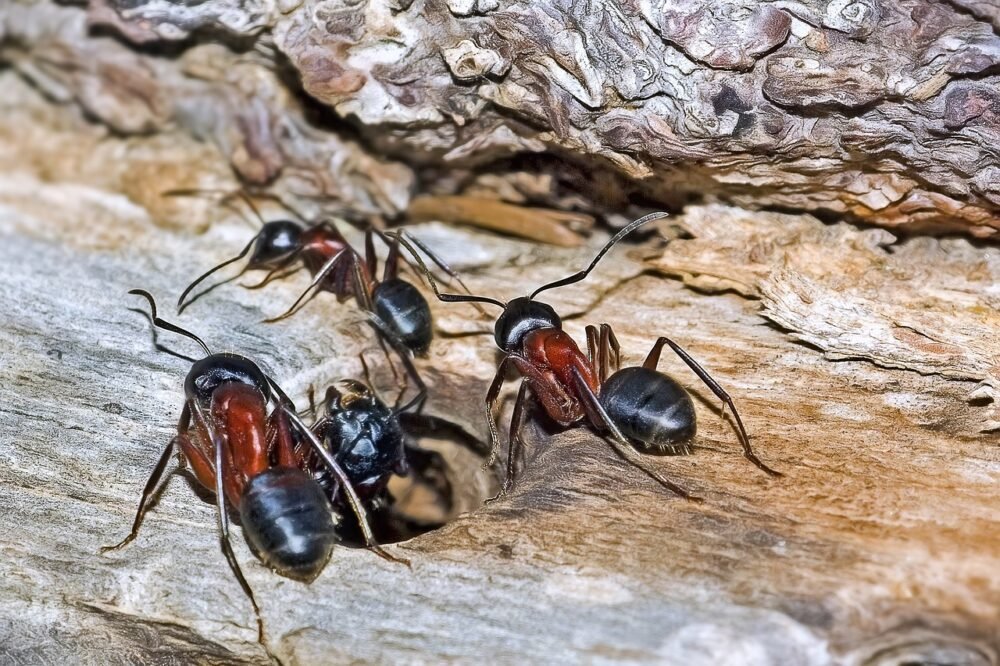
Spring creates ideal conditions for ants to expand. Warmer soil allows larvae to develop faster, while rainfall softens ground layers that were compacted during colder months. These changes encourage ants to reinforce existing nests and establish satellite sites closer to structures.
Key environmental drivers include:
- Rising soil temperatures that accelerate brood growth and worker production.
- Increased moisture levels that support tunneling and structural stability within nests.
- Vegetation growth that provides cover and hidden travel routes.
- Changes in outdoor food sources that push ants to explore new foraging areas.
As nests expand, ants often move toward foundations, patios, and landscaped borders. These areas provide warmth and consistent moisture while offering easy access indoors. Ant control becomes more challenging when multiple nests support a single trail, which is why early seasonal planning matters.
Why Professionals Focus on Nest Identification First
Visible ants inside a home are usually foragers traveling from established nests. Without identifying those nests, treatment efforts remain reactive and incomplete. Professional ant control begins with inspection to map activity patterns and locate nesting zones.
During inspection, professionals assess:
- Primary nest locations in soil, beneath slabs, or within structural voids.
- Satellite nests that branch off to support larger colonies.
- Foraging trails that connect nests to food and moisture sources.
- Environmental contributors such as irrigation, mulch, or drainage issues.
This inspection-driven approach allows treatments to stay focused on the source of activity rather than chasing symptoms. Knowing when ant activity signals a larger infestation is critical, which is why guidance like calling pest professionals becomes relevant as spring activity increases and patterns become consistent.
Targeted Treatment Methods Used in Spring
Once nest sites are identified, professionals apply treatments designed to affect the colony as a whole. Spring is an ideal time for this because ants are actively feeding and sharing resources within the nest.
Common professional strategies include:
- Colony-focused applications that rely on ants carrying material back to nest sites.
- Perimeter treatments placed along foundations and entry points.
- Subsurface applications targeting nests established below ground.
- Monitoring placements that confirm changes in activity over time.
These methods support ant control by interrupting reproduction and weakening colonies before peak summer activity. Rather than responding to each new trail, professionals aim to reduce the overall population supporting that activity. This approach minimizes repeated disturbances and leads to more stable outcomes.
How Seasonal Nest Behavior Shapes Long-Term Control
Ant colonies are highly adaptable. As spring progresses into summer, nests may split, relocate, or expand depending on moisture levels and food availability. Treating nests effectively requires understanding how seasonal behavior influences movement.
In many cases, spring nests are reinforced versions of colonies that were already active during cooler months. Ants that entered homes in fall or winter often maintain outdoor nest sites that continue supplying indoor foragers. This seasonal relationship is explained further in ant invasion reasons, which shows how behavior in one season sets the stage for the next.
Without addressing this full cycle, ant control efforts often feel repetitive. Professionals adjust strategies as nests shift locations, ensuring treatments remain aligned with current colony behavior. This adaptability is critical as environmental conditions continue to change throughout the season.
Why Professional Treatment Improves Spring Outcomes
Spring offers the best opportunity to disrupt ant colonies before they reach peak strength. Professional treatment focuses on precision, timing, and follow-up rather than broad or routine applications.
From an expert standpoint, professional ant control provides:
- Accurate nest targeting that limits reinfestation.
- Controlled placement methods that stay focused on high-risk areas.
- Ongoing evaluation to track how colonies respond.
- Preventive adjustments that reduce future nesting opportunities.
Homes that receive structured treatment in spring often experience fewer ant issues later in the year. Addressing nests early reduces the likelihood of repeated trail formation, interior activity, and seasonal frustration. Ant control becomes more predictable when guided by inspection and seasonal understanding rather than reaction.
A Smarter Start To Ant Season
Spring ant activity follows clear biological and environmental patterns. Treating nest sites early helps reduce long-term pressure and prevents repeated disruption throughout the warmer months. For homeowners seeking informed and efficient solutions, professional guidance makes a measurable difference. Contact Bucksworth Home Services to learn how spring-focused ant control can protect your home before activity escalates.