
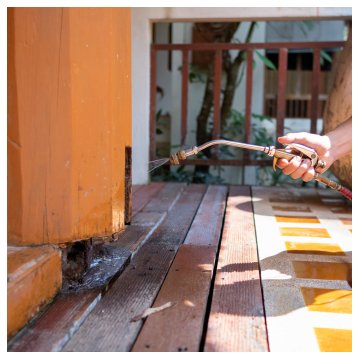
Arizona’s desert climate may seem too hot and dry for termites to survive, yet the state is home to some of the most persistent termite populations in the country. Beneath the surface, moisture pockets, landscaping irrigation, and structural materials provide ideal environments for colonies to grow and spread. Termite control in Arizona requires specialized knowledge of local soil conditions, seasonal behavior, and the specific species that have adapted to this region’s challenges.
Understanding why termites thrive in Arizona’s unique climate helps homeowners appreciate the importance of prevention and early detection before damage becomes extensive.

Why Arizona’s Climate Favors Termites
Termites depend on a balance of warmth and moisture, two factors Arizona provides in abundance through its seasonal patterns. The state’s high temperatures accelerate termite activity, while irrigation systems and monsoon rains offer the humidity these pests need to survive.
Several aspects of Arizona’s environment create perfect conditions for colonies to thrive:
- Warm soil temperatures: The ground rarely cools enough to disrupt termite activity, allowing colonies to remain active year-round.
- Irrigated landscapes: Moisture from lawns, gardens, and drip systems softens soil and provides drinking sources for subterranean termites.
- Monsoon season: Heavy summer rainfall creates the humidity termites need for swarming and reproduction.
- Wood-rich structures: Homes built with wood framing, fences, and decks supply continuous food sources.
Even in arid regions, subterranean termites can burrow deep into the soil, where conditions remain humid enough for survival. Once established, they construct intricate tunnel networks that allow them to reach wooden structures without ever exposing themselves to open air.
Common Termite Species In Arizona
Arizona hosts multiple termite species, each with distinct behaviors and habitat preferences. Recognizing which types are present in your area is crucial for accurate identification and effective termite control.
Here are the most common termite species found across the state:
- Desert subterranean termites: The most widespread species in Arizona. They prefer sandy soil and are highly active during summer.
- Arid-land subterranean termites: Known for building deep colonies that can extend under sidewalks and foundations.
- Western drywood termites: Unlike subterranean species, they live entirely within the wood they consume and require minimal moisture.
- Dampwood termites: Found in higher elevations and areas with consistent moisture, such as near rivers or irrigated land.
Because each species behaves differently, effective treatment must be tailored to the infestation type. For example, drywood termites require localized treatments, while subterranean species often demand soil-based barrier or bait systems. Neglecting proper identification can result in incomplete treatment and recurring damage, especially in older homes where vulnerabilities and termite damage risks are more common.
Environmental Factors That Support Termite Colonies
While Arizona’s desert landscape may seem hostile, the state’s urban development and irrigation practices have unintentionally created thriving habitats for termites. Colonies often form in the soil beneath homes, feeding on buried wood or structural foundations.
These environmental factors play a key role in termite survival:
- Moisture sources: Air conditioning condensation, leaky spigots, and sprinkler systems provide steady water access.
- Soil composition: Sandy or loamy soil is easier for termites to tunnel through compared to rocky terrain.
- Temperature stability: Termites avoid extreme surface heat by nesting underground, where soil temperatures remain moderate.
- Urban growth: Construction sites and new housing developments disturb soil, exposing wood debris that attracts termites.
Over time, even small colonies can expand rapidly. Once established, they are difficult to eradicate without specialized equipment and professional expertise. Since infestations often remain hidden, many homeowners only realize the extent of the damage once visible signs appear, such as bubbling paint, hollow wood, or mud tubes along walls.
Why Professional Termite Control Is Essential
Homeowners may try do-it-yourself termite solutions, but these rarely address the root of the problem. Professional termite control involves a deeper understanding of colony biology, environmental triggers, and safe application methods that stop infestations at their source.
Experts use advanced tools and proven strategies that include:
- Comprehensive inspections: Technicians locate tunnels, moisture zones, and structural vulnerabilities.
- Targeted treatments: Depending on the species, professionals use bait systems, soil barriers, or localized treatments.
- Prevention plans: Regular monitoring ensures that termites do not return after initial treatment.
- Moisture management: Specialists identify leaks or drainage issues that could encourage future infestations.
Relying solely on over-the-counter products can result in short-term relief without eliminating the colony. These treatments often miss underground nests or internal wood infestations. Regular professional inspections also offer homeowners long-term pest savings by catching early signs before they escalate into severe structural issues..
Preventing Termite Infestations In Arizona Homes
While professional termite control provides the most effective protection, homeowners can take proactive measures to reduce the likelihood of infestation. These preventive habits make properties less appealing to termites and limit access points around foundations.
Practical prevention strategies include:
- Eliminate moisture sources: Repair leaks, improve drainage, and avoid overwatering landscaped areas near the home.
- Reduce wood-to-ground contact: Keep wood siding, fences, and mulch several inches above soil level.
- Inspect regularly: Schedule annual termite inspections to identify early warning signs.
- Seal entry points: Close gaps around plumbing, utility lines, and foundation cracks.
- Maintain proper ventilation: Reduce humidity in crawl spaces and attics with dehumidifiers or vents.
Preventive care, when combined with professional maintenance, provides comprehensive protection against Arizona’s resilient termite populations.
Protect Your Home Before Termites Do
Arizona’s warm climate and irrigated environments make it an ideal haven for termites. Early detection and consistent prevention are essential to avoid expensive structural repairs and maintain long-term home value. For detailed inspections and effective treatment options, contact Bucksworth Home Services.