
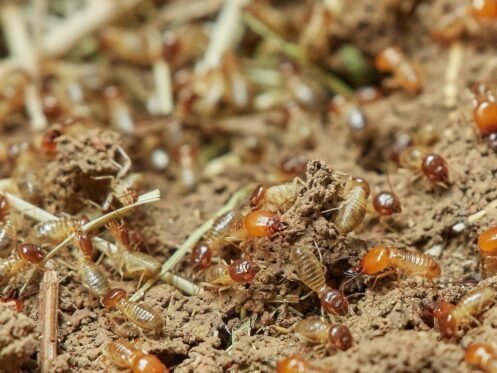
Preparing a home for a professional termite treatment ensures the process is safe, efficient, and fully effective. Termites are persistent pests that thrive in hidden spaces, moisture-rich areas, and structural gaps. Because they often operate silently, homeowners rely on comprehensive treatment strategies to eliminate colonies and protect long-term structural integrity. Proper preparation supports these efforts by giving trained technicians full access to the areas that matter most.
Understanding what to do before service helps reduce disruptions and ensures a smooth treatment day. This guide outlines the essential steps homeowners should take so that every stage of the process benefits from clear access, safety, and readiness.

Understanding Why Preparation Matters Before Treatment
Termite colonies typically establish themselves in places homeowners do not see daily. Crawlspaces, wall voids, slab edges, wooden framing, and damp corners provide ideal environments. A professional termite treatment targets these hidden zones, which is why preparing the home in advance is crucial. Accessible spaces allow technicians to identify key activity points, apply treatments effectively, and ensure no affected area is overlooked.
Seasonal and climate factors also influence termite behavior. Cooler months tend to shift termite activity patterns indoors, making early preparation even more important. Our article on cooler weather activity shows how subtle seasonal changes can affect where colonies move. Preparing in advance allows the treatment to be tailored to these shifts.
Homeowners who understand the importance of accessibility, cleanliness, and safety precautions experience smoother treatment outcomes and minimized disruption during service.
Clear Access Points Throughout the Home
One of the most important steps before a termite treatment is making sure that technicians can reach critical structural areas. Since termites tend to target moisture-rich or wooden sections of the home, preparation should focus on clearing these zones so specialists can inspect and treat them thoroughly.
Key access points to clear include:
- Baseboards, window sills, and interior wall edges where dryness or warmth attracts termites
- Outdoor foundation lines, including areas where mulch, debris, or stored items block visibility
- Attic entrances, crawlspaces, and utility points such as water heaters or plumbing lines
Removing clutter and opening these spaces supports precise treatment. It also allows for accurate identification of termite pathways or potential damage. Without these steps, important structural cues may remain hidden, prolonging treatment or reducing its effectiveness.
Protecting Household Belongings and Interior Spaces
Professional termite treatment requires safe handling and preparation inside the home. Although treatments are designed to keep households protected, preparing the environment ahead of time ensures a clean and hazard-free workspace.
Essential preparation steps include:
- Storing or covering loose items inside cabinets or closets where access is required
- Moving furniture a short distance away from the walls if technicians request additional clearance
- Ensuring that pets have a safe temporary space away from treatment zones
- Covering aquariums or specialty enclosures, if present, to maintain a controlled interior environment
- Removing fragile or valuable items from shelves near treatment areas
These precautions maintain safety for the household while giving technicians the room they need to work efficiently. They also prevent accidental dust exposure on personal belongings during the process.
Addressing Moisture Problems Before Treatment Begins
Moisture is one of the primary attractants for termite colonies. Leaky pipes, poor drainage, damp soil around the foundation, and soft wood areas create ideal conditions for nesting. Before a termite treatment takes place, homeowners should identify and address moisture problems so that treatments have long-lasting success.
Actions that help reduce termite activity include:
- Repairing the roof or plumbing leaks that contribute to indoor moisture
- Improving crawlspace or attic ventilation
- Adjusting irrigation systems so water does not collect near the foundation
- Replacing or repairing softened wood where termites may have been active
Moisture control enhances the impact of termite treatment and reduces the chance of future infestations. Environmental factors in specific regions can intensify termite risk, as explained in studies about Arizona’s unique climate. Understanding these influences reinforces how crucial moisture reduction and structural care are in preparing for treatment.
Outdoor Preparations for a Complete Treatment Process
The exterior of the home is just as important as the interior. Most termite treatments require direct access to soil lines, slab edges, and outdoor wooden structures. Preparing exterior areas ahead of time ensures nothing obstructs treatment zones and that technicians can apply the correct approach without delays.
Important outdoor preparation steps include:
- Pulling back landscaping or mulch that sits directly against the foundation
- Moving outdoor furniture, planters, or storage bins away from the edges of the home
- Clearing debris piles, firewood stacks, or unused building materials
- Ensuring gates, sheds, and perimeter structures are unlocked for inspection
Exterior readiness helps technicians map termite movement, whether they are approaching from soil contact, structural gaps, or weakened wood. It also increases the accuracy of long-term monitoring once treatment begins.
Final Checks on the Day of Treatment
On the day of service, homeowners can complete a few quick tasks that further streamline the process. These simple steps reduce interruptions and help ensure that every stage of treatment runs smoothly.
Key final checks include:
- Confirming pets are secured in a safe area
- Unlocking all gates, panels, and access hatches
- Turning off irrigation systems to keep the foundation dry
- Opening blinds or curtains for better visibility inside
Once these final steps are complete, technicians can begin the termite treatment efficiently, with full access to all required spaces.
A Simple Step Toward Full Home Protection
For reliable preparation support and expert service, contact Bucksworth Home Services for professional termite solutions tailored to your home’s needs.