
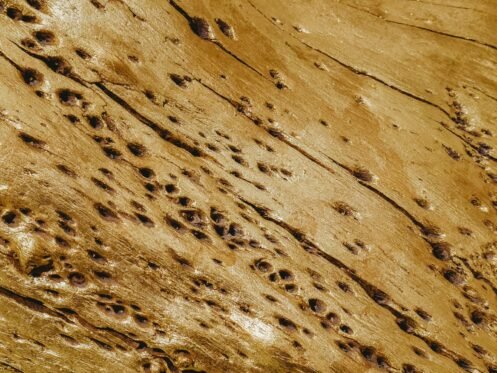
As temperatures drop, many homeowners assume the termite season has ended. Unfortunately, these silent destroyers remain active long after the summer heat fades. Cooler weather may slow them down, but termite colonies continue feeding and expanding in hidden spaces where warmth and moisture persist. Recognizing termite activity during this period is essential to prevent costly damage before spring returns.
While termites are less visible in the fall and winter months, their colonies remain busy underground or within walls. They thrive in stable, protected environments and can continue feeding on wood structures unnoticed. Knowing what to look for and acting promptly when signs appear ensures your home remains structurally sound through the colder season.

Understanding Termite Behavior in Cooler Weather
Termites are highly adaptable. When outdoor conditions cool, they simply move deeper into the soil or inside walls to maintain warmth. Their ability to regulate colony temperature allows them to continue eating and reproducing year-round. Because of this, many infestations go unnoticed until damage is severe.
During fall and winter, termite activity is concentrated in areas where heat and moisture are consistent, such as:
- Beneath foundations and crawl spaces, especially near plumbing or heating ducts.
- Inside walls that are insulated from outdoor temperature changes.
- Around wooden window frames, attics, or subfloors that retain residual warmth.
- In mulch or firewood piles stored near the home.
This concealed behavior is why professional termite control services emphasize continuous monitoring, even during colder seasons. Termites do not take a break; they simply relocate to remain active where conditions favor survival.
Visible Signs of Termite Presence
Although termites tend to remain hidden, there are visual cues that can indicate ongoing activity. A careful inspection of both interior and exterior areas may reveal evidence of their work. Homeowners should look for:
- Mud tubes: Narrow tunnels built by subterranean termites to travel between soil and wood sources. They often appear on foundations or basement walls.
- Hollow-sounding wood: When tapped, infested wood may sound empty because termites consume the interior structure while leaving a thin outer shell intact.
- Discarded wings: After swarming season, reproductive termites shed wings near windowsills, vents, or entry points.
- Frass or droppings: Drywood termites leave small pellet-like droppings near infested areas.
- Bubbling paint or warped surfaces: Moisture buildup from termite tunneling may distort wood finishes or paint layers.
Regular observation of these indicators can help detect problems early. However, because much of termite damage occurs internally, professional inspections remain the most accurate way to confirm an infestation. For a more comprehensive seasonal inspection approach, refer to our fall pest checklist that outlines key areas to monitor before winter sets in.
Why Cooler Weather Inspections Are Crucial
Winter inspections are often overlooked, but this is when early detection can have the biggest impact. Termites may not swarm in cold months, yet they continue feeding quietly inside walls and substructures. When professional technicians inspect during this time, they identify subtle signs that would otherwise go unnoticed.
Here are a few reasons cooler weather inspections matter:
- Limited surface activity: Since termites retreat deeper, homeowners are less likely to notice them without trained help.
- Prevention of spring outbreaks: Detecting colonies before warmer weather stops them from spreading during the spring swarm season.
- Minimized repair costs: Addressing damage early prevents structural weakening and future financial strain.
- Peace of mind: Confirming that your home remains protected throughout all seasons ensures long-term stability.
A winter inspection also allows pest professionals to assess environmental factors that might encourage termite survival, such as moisture accumulation or foundation cracks. These insights can guide preventive improvements that last beyond the current season.
Professional Termite Control vs. DIY Treatments
While there are numerous over-the-counter termite sprays and bait systems available, few provide the precision or reliability of a professional termite control plan. DIY efforts often target visible insects but fail to reach hidden colonies or subterranean tunnels. As a result, infestations persist and spread unnoticed.
Trained specialists use advanced detection tools such as moisture meters, infrared imaging, and monitoring stations to locate termite activity without invasive demolition. They also tailor treatments to address specific species and property conditions. More importantly, they offer ongoing monitoring to ensure colonies are fully eradicated rather than temporarily suppressed.
Attempting to handle an infestation alone may seem economical, but it often results in recurring damage that costs far more over time. For insight into the financial advantages of expert pest management, review our article on professional pest inspection savings, which explains how preventive oversight protects long-term property value.
Strengthening Prevention and Monitoring Strategies
Effective termite control does not end after one treatment. Continuous prevention and monitoring remain essential parts of protecting your property. Homeowners can work with professionals to establish year-round defense systems that reduce risk and preserve structure.
Recommended steps include:
- Scheduling annual or semi-annual termite inspections to identify early activity.
- Maintaining proper drainage around the foundation to prevent moisture buildup.
- Storing firewood, mulch, and organic debris at least 20 feet away from exterior walls.
- Sealing foundation cracks, vents, and pipe openings to limit access points.
- Ensuring that gutters and downspouts direct water away from the base of the structure.
Combining these measures with professional oversight creates an effective barrier that deters future infestations. Termite prevention is not just a single action but an ongoing process that integrates maintenance, inspection, and environmental management.
Keep Your Property Protected Year-Round
Termite activity may slow with colder weather, but it never stops completely. Staying vigilant through fall and winter is key to avoiding costly repairs and maintaining peace of mind. For reliable inspection and treatment solutions tailored to every season, contact Bucksworth Home Services and safeguard your property against hidden termite damage.