
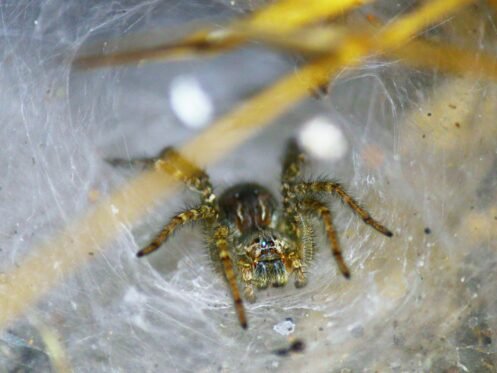
Spiders play a natural role in reducing insects around a property, yet their presence inside living spaces can quickly create discomfort and concern. When webs appear in basements, garages, corners, or high-traffic rooms, homeowners often try addressing the issue themselves. Many do-it-yourself approaches seem quick and inexpensive at first glance, but spider control requires more than basic sprays or sweeping webs away. Without understanding spider behavior and the conditions that attract them, most DIY methods offer only short-lived results or unintentionally worsen activity.
Professional spider control takes a more structured, science-based approach focused on long-term prevention. The difference between these two paths becomes more noticeable during seasonal changes, maintenance routines, and recurring infestations.

Why DIY Spider Treatments Often Backfire
DIY treatments appeal to homeowners because they are widely available and easy to apply. However, these products have limitations and are often used without understanding how spiders behave or where they hide. Many DIY efforts target the spiders that are visible, while the underlying issues remain untouched.
Common problems with DIY attempts include:
- Sprays reaching exposed surfaces but missing protected egg sacs
- Web removal without eliminating the insect food source
- Misidentifying spider species and applying unsuitable treatments
Chemical sprays designed for general insect use rarely affect spider egg sacs, which are often hidden deep in corners or behind fixtures. In many cases, spiders simply relocate to quieter areas of the home rather than disappearing entirely. A clearer understanding of how proper inspection methods save time and money can be found in our article on professional pest inspections, which highlights why thorough evaluation matters.
The Importance of Understanding Spider Behavior
Spiders are not motivated by food scraps or moisture in the same way other pests are. Instead, their behavior is closely tied to insect activity. If a home has high insect traffic, spiders will naturally follow. This means removing spiders without addressing the insects that attract them leads to recurring issues.
Key behavioral patterns include:
- Preference for quiet, dark, undisturbed areas
- Placement of webs near consistent insect pathways
- Use of structural features such as vents and cracks to travel indoors
Spiders use their webs strategically. They place them where insects frequently pass, which means that the presence of spiders often signals a secondary pest problem. DIY methods frequently ignore this connection. Sweeping webs without reducing insect activity results in new webs appearing within days. Understanding this relationship is essential for effective spider control.
Why Professional Spider Control Provides More Reliable Results
Professional approaches focus on both the spiders and the environmental conditions that sustain their activity. Instead of reacting to visible webs, trained specialists evaluate entry points, moisture levels, insect presence, and structural vulnerabilities.
Professionals rely on strategies such as:
- Detailed inspection of hidden areas where spiders nest
- Identification of insect activity that sustains spider populations
- Safe removal of webs, egg sacs, and access points
Expert insight is especially valuable when addressing multiple rooms or recurring infestations. Professionals use application techniques that reach crevices, attic voids, and areas where spiders typically hide. These methods are controlled, targeted, and designed to reduce long-term risks. Homeowners curious about why DIY attempts struggle to match these results can learn more through discussions on why DIY fails, which outline common limitations.
The Long-Term Benefits of Professional Approaches
Professional spider control offers more than immediate removal. It incorporates long-term prevention strategies that help keep spiders from returning. These solutions address the entire environment rather than focusing on the individual spiders that homeowners see.
Long-term advantages include:
- Reduced insect activity that removes the spider’s food source
- Lower risk of repeated infestations due to improved prevention
- Safer application techniques that protect indoor living spaces
Professionals are trained to identify where spiders originate and what environmental factors attract them. This approach leads to more lasting protection and ensures that seasonal changes or structural shifts do not result in new activity.
Creating a Home Environment That Discourages Spiders
A cleaner, well-maintained environment makes a significant difference in how often spiders appear indoors. While routine tidying helps, deeper environmental adjustments contribute to long-term results.
Effective prevention steps include:
- Reducing clutter in basements, garages, and storage rooms
- Repairing small cracks and gaps near windows and entry doors
- Adjusting outdoor lighting to minimize insect attraction
- Keeping indoor areas dry and well ventilated
These preventive measures work best when combined with professional evaluation. Identifying entry points and hidden nesting areas often requires specialized tools and a trained understanding of spider behavior. This level of detail ensures that the home remains protected even during peak pest seasons.
A Better Way to Protect the Home
For reliable solutions and long-term support with spider control, contact Bucksworth Home Services for expert guidance and tailored service.