
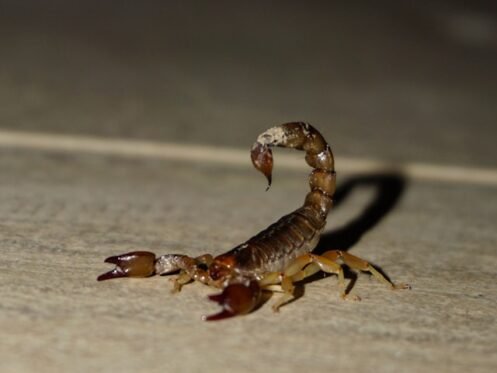
Scorpions remain active long after temperatures begin to drop. Even though cooler weather reduces outdoor sightings, winter nights often bring increased indoor activity as scorpions search for warmth and shelter. This makes scorpion prevention a priority for homeowners who want to avoid unexpected encounters inside bedrooms, bathrooms, and storage areas. Effective protection relies on understanding scorpion behavior, identifying seasonal risks, and taking steps that prioritize safety while reducing infestation opportunities.
Why Scorpions Stay Active Through Winter
Scorpions do not fully hibernate. Instead, they slow their activity and seek insulated environments that shield them from cold night temperatures. Homes offer ideal warmth, stable humidity, and multiple hiding spots, allowing scorpions to remain active even in the coldest months.
Winter behavior patterns often include:
- Moving indoors to escape the cold night air
- Seeking moisture near plumbing, bathrooms, and kitchen fixtures
- Hiding in undisturbed storage areas
- Using wall voids or attic insulation for shelter
These behavior shifts increase the risk of close contact with people, especially at night when scorpions naturally hunt for food. Understanding these patterns helps homeowners strengthen their prevention strategy before night temperatures reach their lowest point.
Key Areas Scorpions Target Indoors During Winter Nights
Scorpions gravitate toward specific conditions inside the home. Areas with moisture, darkness, and warmth are especially attractive during winter. Because many scorpions can flatten their bodies to fit through narrow gaps, they often enter through unsealed openings that homeowners may not notice.
Common winter night hotspots include:
- Bathrooms, particularly near tubs and sinks
- Laundry rooms with warm appliances
- Closets and attic spaces
- Cracks near flooring, baseboards, or wall joints
- Under beds, inside shoes, or behind stored items
Awareness of these areas allows for more effective inspection and prevention. For homeowners concerned about silent interior activity, our resources outlining hidden scorpion signs provide helpful insight into what to monitor as winter progresses.
Safe Prevention Methods That Make a Real Difference
Scorpion prevention requires more than treating visible activity. Because these pests can navigate through tiny openings and survive in challenging conditions, winter preparation should focus on limiting entry points and reducing interior attractiveness. Three of the most effective safety-centered methods include sealing, habitat reduction, and ensuring consistent oversight.
Moisture and Entry Control
- Repair leaky pipes and ensure proper ventilation.
- Seal exterior cracks, gaps, and openings around doors and windows.
- Install tight-fitting door sweeps on exterior entry points.
Interior Habitat Management
- Reduce clutter in closets and storage spaces.
- Store shoes and clothing off the floor
- Keep indoor spaces clean to limit the insects scorpions hunt.
Exterior Nighttime Adjustments
- Reduce yard debris that provides shelter.
- Trim vegetation touching exterior walls.
- Limit outdoor lighting that attracts insects toward the home
These steps play an important role in prevention. However, winter scorpion behavior involves hidden pathways and reproduction patterns that homeowners usually cannot detect on their own. While basic adjustments improve safety, a deeper level of protection requires knowledge of structural vulnerabilities and seasonal pest behavior.
Why Winter Pest Control Helps Prevent Long-Term Problems
Relying only on home remedies or surface-level prevention often leaves underlying issues unaddressed. Scorpions are resilient, and winter conditions can make them even harder to detect as they slow their movement and hide within walls, insulation, and crawl spaces.
Pest control professionals use methods that go beyond surface sightings. Winter pest management focuses on identifying early warning signs, assessing structural gaps, and applying treatments that target scorpion movement patterns.
Key advantages include:
- Thorough inspections that uncover unseen activity
- Treatments designed for winter pest behavior
- Identification of moisture or food sources attracting scorpions
- Recommendations for structural improvements
These methods help limit long-term infestations before spring breeding cycles begin. Our discussions on long-term cost savings also highlight how early intervention prevents more expensive problems from developing when warm weather returns.
Homeowners should be cautious about relying entirely on DIY approaches. Over-the-counter products rarely reach deep hiding locations, and misapplied treatments can increase risks. Professional insight ensures that scorpion prevention remains safe, strategic, and season-appropriate.
Preparing Your Home for the Coldest Winter Nights
Winter nights create conditions that drive scorpions toward warmer areas within a home. Preparing ahead of time reduces risk and strengthens year-round protection. A winter-ready home combines exclusion, sanitation, and ongoing monitoring.
Important steps include:
- Checking exterior walls and foundations for small breaches
- Keeping vegetation trimmed several inches away from the home
- Ensuring storage boxes are sealed and elevated
- Using weather stripping to close gaps in windows and doors
- Keeping interior humidity controlled to reduce insect activity
These preventive measures greatly reduce scorpion access and shelter opportunities. Still, winter activity can persist in areas that are difficult for homeowners to inspect or treat. This is why many households rely on consistent winter pest control to maintain long-term safety and comfort.
A Proactive Path Toward a Safer Home
If you want expert guidance that strengthens winter night protection, consult Bucksworth Home Services for safe and strategic solutions tailored to your home.