
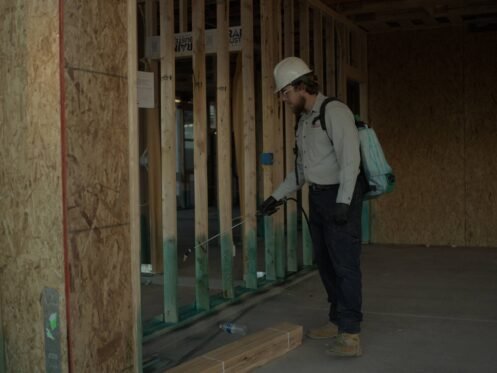
As temperatures fall, pest behavior shifts rather than stopping. Many species actively search for indoor shelter where warmth, moisture, and protection remain consistent. Even well maintained homes can unintentionally allow a winter pest issue to develop if small gaps or structural weaknesses exist. Sealing entry points is one of the most effective ways to reduce this risk, yet it is often misunderstood or addressed too narrowly.
From an expert perspective, winter is a critical season for identifying how pests gain access to structures. Outdoor activity may appear reduced, but pressure moves inward as pests exploit vulnerabilities that go unnoticed during colder months. Understanding how entry points function and why professional evaluation matters helps homeowners protect living spaces more effectively throughout winter and beyond.

Why Winter Pests Target Structural Openings
Pests depend on access and opportunity. When outdoor conditions become harsh, even the smallest opening can serve as a reliable entry route. Seasonal contraction and expansion of building materials often widen existing gaps, creating pathways that were less active during warmer months.
Common access points that support winter pest activity include:
- Gaps around doors, windows, and thresholds
- Openings around plumbing and electrical lines
- Foundation cracks and settling seams
- Vents and utility access panels
While these openings may seem minor, pests require very little space to enter. Once inside, they can move freely through wall voids, insulation, and structural cavities where they remain hidden from daily activity. Professionals recognize that sealing must be comprehensive and strategic to reduce the risk of repeat entry.
How Cold Weather Makes Entry Points Harder To Notice
Winter conditions often hide the warning signs of pest entry. Snow cover, frozen soil, and reduced exterior inspections make it difficult to spot cracks or gaps along foundations. Indoors, sealed windows and doors limit airflow, masking drafts or subtle temperature changes that might otherwise signal an access issue.
Professionals look beyond obvious gaps and evaluate indirect indicators such as moisture buildup, uneven temperatures, and air pressure changes. These details often point to concealed entry routes that homeowners miss during colder months. Left unaddressed, these hidden access points allow pests to establish shelter and remain active indoors.
This seasonal awareness explains why professionals encourage evaluations before winter peaks. Reviewing the top reasons to schedule early highlights how addressing vulnerabilities early can reduce long term indoor exposure and prevent pests from settling in undetected.
Why Sealing Alone Does Not Solve Winter Pest Pressure
Sealing entry points is essential, but it is rarely effective when done without a full assessment. Not all access routes are visible, and some are created by environmental or structural conditions rather than obvious damage. Without identifying how pests are entering and what is attracting them, sealing efforts may only offer temporary relief.
Professionals evaluate sealing effectiveness by considering:
- Structural movement caused by seasonal temperature changes
- Moisture patterns that draw pests toward access points
- Hidden voids that connect multiple pathways
- Increased seasonal pressure that encourages persistence
This broader evaluation ensures sealing efforts address the full scope of winter pest activity rather than isolated gaps. It also reduces the likelihood of pests finding alternative routes once surface openings are closed. From a professional standpoint, sealing works best as part of a coordinated prevention strategy rather than a single corrective step.
The Role Of Safety And Precision In Winter Sealing
Winter pest prevention requires precision and planning. Improper sealing techniques or overlooked access points can unintentionally trap pests inside or redirect activity deeper into the structure. Professionals approach sealing carefully, especially around utilities, ventilation systems, and shared structural pathways.
This expertise is important because multiple pests often share the same entry routes. Insights from professional rodent safety show why trained evaluation matters when sealing entry points during winter. Accurate identification and safe execution help reduce pest pressure without creating new structural or indoor air concerns.
Long-Term Benefits Of Professional Entry Point Assessment
Sealing entry points against winter pest activity provides benefits that extend well beyond the cold season. When vulnerabilities are identified and addressed correctly, homes experience fewer recurring infestations and improved indoor stability year round.
Long term advantages include reduced pest pressure, lower contamination risk, improved energy efficiency, and better moisture control. From an expert perspective, winter is an ideal time to assess vulnerabilities because pest activity is concentrated rather than dispersed. This allows for clearer identification of entry routes and contributing conditions.
Ignoring entry points during winter allows pests to remain sheltered indoors, increasing the likelihood of ongoing issues when temperatures rise. Professional assessment helps break this cycle by addressing both access and environmental contributors, supporting a healthier and more stable indoor environment over time.
Fortify Your Home Before Winter Takes Hold
If winter conditions raise concerns about hidden entry points, professional insight can help identify and correct vulnerabilities effectively. Contact Bucksworth Home Services to discuss sealing and inspection options designed to reduce winter pest activity and protect your home throughout the year.