
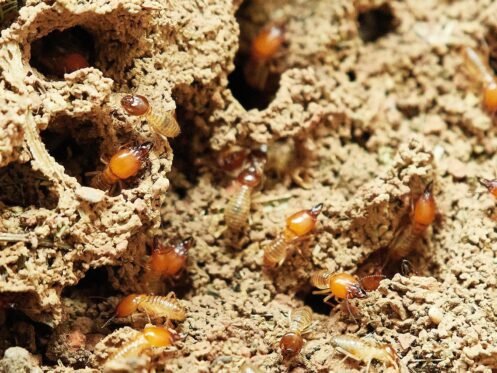
Older homes hold character, history, and charm that newer properties often lack. Yet they are also more vulnerable to pests, particularly termites. Termite damage may not be immediately visible, but over time, it can compromise the safety, structure, and value of a property. In older houses, ignoring these issues creates far-reaching consequences that no homeowner should overlook.
Unlike modern builds that use treated lumber or advanced construction methods, many older houses rely on original wood materials that termites find especially attractive. Years of natural wear and exposure can make beams, flooring, and framing even more susceptible to infestations. This combination of age and hidden activity is why termite damage in older homes should never be underestimated.

Structural Weakness That Grows Over Time
Termites feed silently, targeting wood and other cellulose-based materials that serve as the backbone of a home. In older houses, where wood may already show signs of wear, its impact accelerates deterioration. Small, hidden infestations can escalate into significant structural issues if left unchecked.
Key structural risks include:
- Hollowed beams that weaken load-bearing walls
- Compromised flooring that begins to sag or creak under pressure
- Roof damage where the wood framing is directly attacked
- Doors and windows that no longer align due to shifting support
These problems rarely appear suddenly. They develop gradually, making them harder to notice until repairs become extensive and costly. Regular inspections help homeowners detect termite damage before it evolves into a safety hazard.
Hidden Costs Beyond Repair Work
While structural repairs are expensive, the financial burden of ignoring termite activity extends further. Older houses are particularly vulnerable because damage often spreads undetected until it has impacted multiple areas. The longer termites remain active, the higher the expenses climb.
Additional financial consequences include:
- Decreased property value during resale due to disclosed termite history
- Difficulty securing insurance or higher premiums for older homes with infestations
- Repeat repair costs when untreated colonies cause recurring issues
What begins as a localized problem in floor joists or wall studs can quickly become a full-house concern. This is why coordinated solutions that address not just termites but other household issues often prove more cost-effective in the long run. Homeowners can see the benefits of streamlined home services when managing pest control alongside other critical maintenance needs.
Safety Hazards for Residents
Beyond financial and structural concerns, termite damage creates safety risks that directly affect those living in older houses. Weakened wood framing and hidden voids increase the chance of accidents or emergencies that could have been prevented with timely intervention.
Safety hazards include:
- Collapsing floorboards that give way under everyday use
- Roof instability that heightens the risk of leaks or collapse
- Weakened staircases and decks that can suddenly fail
- Walls that bow or crack due to compromised support beams
These issues not only threaten the physical integrity of the house but also endanger everyone inside. Addressing termite damage early preserves not just the structure but also the well-being of its occupants.
Increased Vulnerability to Other Pests
When termites weaken the integrity of wood, they leave behind tunnels, gaps, and entry points that make older homes more susceptible to other pest invasions. Cracks in the foundation, loosened siding, or damaged wood provide easy pathways for insects and rodents.
Additional pests attracted to weakened structures include:
- Ants that move into softened wood or hollowed-out areas
- Rodents that exploit gaps in the flooring or wall voids
- Moisture-loving insects that take advantage of damp wood caused by termite activity
Unchecked termite infestations create a ripple effect, amplifying pest challenges across the property. Preparing the home in advance with a thorough pest season guide can help homeowners spot early vulnerabilities and reduce risks from multiple types of pests at once.
Long-Term Impacts on Historical Value
For many owners, older houses hold sentimental and historical significance. Preserving their original features is part of their appeal. Termite damage threatens these qualities, eroding the craftsmanship that defines older homes. Decorative woodwork, antique floors, and original framing are often the first to suffer.
Once this damage occurs, restoration rarely returns the home to its authentic state. Replacement materials cannot fully capture the original workmanship, reducing the cultural and historical value of the property. Ignoring termites not only diminishes function but also erases the very details that make an older house special.
Why Timely Action Is Essential
Older homes face unique vulnerabilities that termites exploit quickly. Left untreated, damage compounds into financial loss, safety hazards, and permanent deterioration. Early detection and professional intervention remain the only effective solutions to preserve both the integrity and value of older houses.
If you suspect termites may be damaging your home, waiting only worsens the outcome. Safeguarding your property’s structure and value begins with expert care and proven solutions.
Take the Step Toward Lasting Protection
Don’t allow silent damage to jeopardize your home’s future. Contact Bucksworth Home Services today to address termite concerns with trusted expertise.