
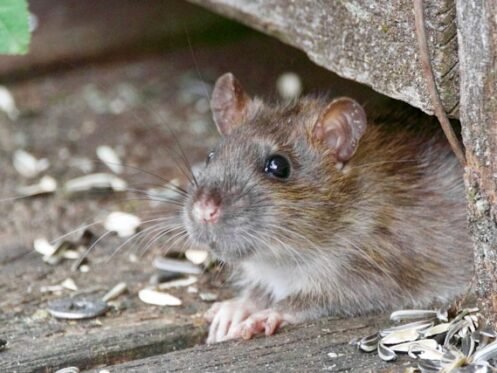
Seasonal changes play a major role in how rodents move, nest, and survive. As temperatures begin to fall, rodents shift their priorities quickly, focusing on dependable shelter, steady food sources, and environments that protect them from the harsh conditions outdoors. Understanding rodent behavior during colder periods is essential for maintaining a safe and healthy home. When temperatures drop, rodents become more motivated, more persistent, and far more likely to enter structures through even the smallest openings.
This seasonal shift is not random. It follows predictable biological patterns that have evolved to help rodents endure environmental challenges. Learning how these patterns influence their choices helps homeowners better identify risks and prepare their properties before issues escalate.

Why Rodent Activity Changes When The Weather Cools
Rodents rely heavily on environmental cues to guide their movements. As temperatures decline, their energy needs and habitat preferences change almost immediately. This transition leads to a sharp increase in activity around residential properties, especially in areas where food, warmth, and shelter exist in proximity.
Key changes in behavior include:
- Higher urgency to locate insulated spaces that protect against cold
- Increased foraging during dusk and nighttime hours
- More frequent travel between outdoor nesting areas and indoor entry points
These behavioral shifts make infestations more likely, particularly when properties have unsealed openings, cluttered storage areas, or aging exterior materials. Seasonal planning is one way to stay prepared, and resources such as the fall pest inspection guide provide valuable early detection strategies.
How Dropping Temperatures Influence Nesting Habits
Nesting habits change significantly as cooler weather arrives. During warmer months, rodents can survive outdoors with minimal shelter. Once the temperature drops, they become far more selective. The insulation inside homes creates ideal nesting environments and supports rapid reproduction throughout winter.
Rodents often prefer nesting in areas such as:
- Attics and rooflines where insulation provides warmth
- Wall voids that offer both concealment and security
- Basements or storage rooms with minimal disturbance
Access points are often small and easy to overlook. Rodents can squeeze through openings much smaller than their body size, making structural vulnerabilities more significant in colder seasons. With abundant indoor nesting materials such as cardboard, old fabrics, and insulation, homes quickly become desirable habitats for rodents seeking winter shelter.
Food Availability and Its Impact on Rodent Behavior
Food scarcity is one of the strongest motivators behind seasonal rodent behavior. As temperatures drop, natural food sources like seeds, vegetation, and insects become harder to find. This forces rodents to expand their search areas and take greater risks by approaching homes.
Their foraging patterns change in several ways:
- More frequent nighttime foraging around exterior trash bins
- Increased gnawing activity as rodents seek access to stored food
- Greater reliance on interior food sources once entry points are found
Homes with accessible food storage, unsealed containers, or crumbs left behind in frequently used areas often experience higher levels of rodent activity. Rodents also leave pheromone trails that guide others to discovered food. This increases the likelihood that multiple rodents will follow the same path once an initial entry point is established.
Why Rodent Control Becomes More Difficult in Winter
Winter weather makes rodent control more challenging because rodents become more persistent and more dependent on indoor spaces. Once inside, they settle into concealed nesting areas where they remain active even when temperatures outside are near freezing. Their presence may go unnoticed for weeks or months before homeowners see droppings, hear noises, or discover property damage.
Rodent control becomes more complex due to:
- Limited visibility of nests inside wall voids and attic spaces
- Increased rodent agility and adaptability as they seek warmth
- Faster reproduction indoors where temperatures remain stable
These challenges are one reason many homeowners rely on trained experts to handle rodent intrusions more effectively than store bought products or DIY methods. Those interested in the safety benefits of expert intervention can explore professional rodent safety for additional insight.
Prevention Strategies That Work As Temperatures Decline
Preventing rodent entry before winter sets in remains the most effective approach to long term protection. Rodents are opportunistic and will always choose the easiest available shelter, which means proactive maintenance is essential.
A strong prevention plan includes:
- Sealing cracks, gaps, and openings around the home exterior
- Maintaining clean and organized storage areas to reduce hiding spots
- Removing yard debris and trimming overgrown vegetation that shelters rodents
- Keeping food storage tightly sealed and disposing of waste regularly
These strategies reduce rodent behavior around the home and make it harder for rodents to find accessible nesting areas. Although simple on the surface, identifying potential entry points can require trained experience, particularly in older homes or properties with complex structures. Professional inspections often reveal vulnerabilities that homeowners may overlook, providing a clearer path toward effective rodent control as temperatures continue to fall.
A Smart Next Step Toward Winter Protection
For reliable support with seasonal rodent control, consider contacting Bucksworth Home Services for targeted solutions that help protect homes as colder weather approaches.