
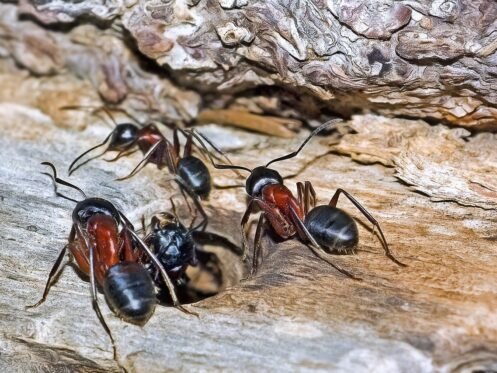
As temperatures begin to drop, many homeowners notice an uptick in ant activity indoors. These small insects, which thrive in warm weather, start to seek shelter and food inside homes once outdoor conditions become less favorable. Understanding why this seasonal invasion happens can help homeowners prevent infestations and maintain a healthier living environment.
Ants are among the most persistent pests because they are driven by instinct and survival. During fall, they begin searching for stable shelter, steady moisture, and consistent food sources. Once they establish a pathway inside a property, they leave pheromone trails for the rest of the colony to follow, creating a growing problem that is difficult to control without professional intervention.

Seasonal Triggers Behind Ant Invasions
Fall brings temperature fluctuations, lower humidity, and reduced daylight. These environmental cues signal ant colonies to start looking for safer locations to spend the colder months. Homes, with their warmth and accessibility, provide an ideal refuge.
Several conditions draw ants indoors during this season:
- Temperature changes: When soil temperatures drop, ants move deeper underground or into buildings to stay warm.
- Moisture needs: Dry outdoor environments push ants to look for water inside kitchens, bathrooms, or basements.
- Food scarcity: As vegetation dies off, outdoor food sources dwindle, making pantries, crumbs, and pet dishes inside homes highly attractive.
- Shelter from storms: Heavy autumn rains can flood ant nests, forcing entire colonies to relocate to higher, drier ground.
These combined factors explain why infestations often peak between late September and November. Once inside, ants can survive for months, continually expanding their colonies and nesting sites in hidden areas.
Why DIY Ant Control Rarely Works
It may seem simple to spray or bait ants, but without understanding colony behavior, these efforts often fail to eliminate the root cause. DIY treatments typically target only visible ants rather than addressing where they nest or how they enter the home. As a result, infestations return or shift to new locations.
Ant colonies are complex social systems, often containing thousands of members and multiple queens. When disrupted, a colony can fragment and spread to form new subcolonies. This phenomenon, known as budding, makes surface-level control ineffective and often worsens the problem.
In fact, the risks of relying solely on home remedies or store-bought sprays are outlined in our article on why DIY pest control fails. Professional ant control focuses on inspection, source elimination, and environmental management rather than quick fixes.
A licensed technician uses advanced baiting strategies and materials that reach the entire colony, not just worker ants. These methods ensure long-term success without overusing chemicals or spreading toxins throughout the home.
How Ants Establish Colonies Indoors
Once ants find entry points, they quickly establish satellite colonies near food or water sources. These colonies may be hidden inside walls, under floors, behind baseboards, or within insulation. Kitchens, bathrooms, and utility rooms are the most common nesting spots because they combine warmth and moisture.
The invasion process generally follows this pattern:
- Scouting: Worker ants explore and mark trails to locate resources.
- Recruitment: Once food is found, the worker ants release pheromones to attract others.
- Nesting: Colonies establish new sites inside structural gaps or near water lines.
- Expansion: Multiple queens reproduce, growing the colony and spreading to nearby areas.
Each of these steps reinforces the need for thorough inspection and targeted treatment. Simply removing visible ants will not break the reproductive cycle or destroy hidden nests. Professional teams use detailed tracking methods to locate all active zones and prevent future reentry.
Preventing Ant Infestations Before Winter
Preventing ants from entering your home starts with maintaining a clean, well-sealed environment. While regular cleaning helps reduce attractants, structural and moisture management are just as important.
Key preventive steps include:
- Sealing gaps around doors, windows, and foundations.
- Storing food in airtight containers and cleaning spills immediately.
- Repairing leaky pipes and maintaining dry conditions in basements and crawlspaces.
- Keeping tree branches and shrubs trimmed away from exterior walls.
- Scheduling a professional inspection before winter to assess risk areas.
A well-timed inspection can save significant money by addressing minor problems early. For more insight into the financial benefits of proactive maintenance, review our article on professional pest inspection savings.
A consistent maintenance routine combined with professional assessment provides lasting control against recurring infestations. Seasonal pest management is about prevention, not reaction.
Why Professional Ant Control Matters
Ant infestations can escalate quickly if left unchecked. The longer ants remain indoors, the more difficult and expensive they are to remove. Beyond being unsightly, ant activity may indicate hidden structural issues, such as moisture damage or insulation gaps that also attract other pests.
Professional ant control offers long-term protection by combining treatment, exclusion, and monitoring. Trained experts identify the specific ant species, locate colonies, and use targeted solutions to disrupt breeding cycles. They also recommend preventive improvements, such as sealing foundation cracks or adjusting landscaping, to reduce conducive conditions.
This professional approach prevents reinfestation while maintaining a healthier indoor environment. It also minimizes chemical exposure and ensures treatments meet safety and environmental standards.
Take the Smarter Step Toward Ant-Free Living
Eliminate the stress of seasonal infestations with reliable ant control solutions that last. Contact Bucksworth Home Services to schedule an expert inspection and keep your property protected all year long.