
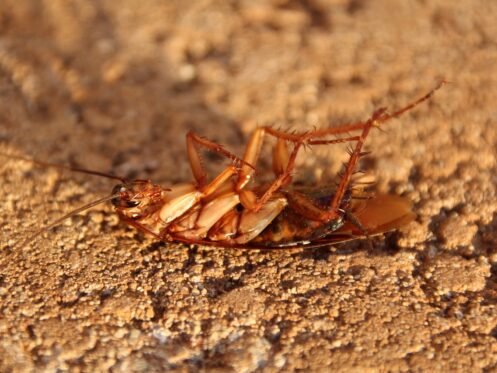
Cold weather often leads homeowners to believe pest activity slows down or disappears entirely. Cockroaches do not follow that pattern. While outdoor conditions become less hospitable, indoor environments offer exactly what cockroaches need to survive. Warmth, moisture, and access to food allow populations to remain active year-round. As a result, a cockroach infestation can quietly persist through winter without drawing immediate attention.
From a professional standpoint, winter is one of the most underestimated seasons for cockroach activity. Reduced visibility and fewer sightings can give a false sense of control, even as populations remain established inside walls, cabinets, and utility spaces. Understanding why cockroaches continue thriving during colder months helps explain why infestations often resurface stronger in spring.
How Indoor Environments Support Winter Survival
Cockroaches are highly adaptable insects that rely on stable conditions rather than seasonal cycles. When temperatures drop, they migrate deeper into structures where heating systems create consistent warmth. Kitchens, bathrooms, basements, and mechanical rooms become ideal shelters during the winter months.
Key indoor factors that support winter survival include:
- Central heating that maintains steady temperatures
- Moisture from plumbing lines and condensation
- Food residue in hidden or low-traffic areas
- Limited disturbance in enclosed spaces
Because cockroaches prefer dark, undisturbed environments, winter habits often allow them to spread unnoticed. Professionals recognize that fewer visible sightings do not indicate reduced populations. Instead, activity often shifts into areas that are rarely inspected by homeowners.
Why Winter Cockroach Activity Is Harder To Detect
Winter cockroach behavior is more concealed compared to warmer seasons. Reduced movement and lower surface activity make infestations difficult to recognize without trained assessment. Many signs are subtle and easily overlooked during daily routines.
Professionals watch for indicators such as:
- Droppings in cabinets, corners, or behind appliances
- Musty odors linked to pheromone buildup
- Shed skins in low-light areas
- Activity near heat sources and water lines
These indicators are often mistaken for dust or general household debris. Without understanding how cockroaches adapt during winter, infestations can remain active for months. This is one reason professionals emphasize winter pest timing when evaluating long term control strategies and preventing spring escalation.
Structural Conditions That Encourage Winter Persistence
Structural features play a major role in allowing cockroach infestations to persist through winter. Cracks, voids, and utility access points provide sheltered pathways that remain warm even during freezing conditions. Once inside, cockroaches exploit these features to move freely between rooms and levels.
Common structural contributors include:
- Gaps around plumbing and electrical lines
- Wall voids that retain heat
- Aging seals around doors and baseboards
- Poor ventilation in crawl spaces and basements
Winter weather can also increase indoor humidity as windows remain closed and heating systems run continuously. Professionals evaluate how these conditions interact because they directly affect infestation longevity. Addressing structure-related contributors early reduces the risk of continued population growth during colder months.
Why Professional Evaluation Matters In Winter
Winter provides a valuable opportunity for assessment because cockroach populations tend to be concentrated rather than dispersed. Instead of spreading outward, colonies often remain near stable heat and moisture sources. This makes winter an effective time for identifying nesting areas and movement patterns.
Professional evaluations focus on:
- Hidden nesting zones behind walls and cabinets
- Moisture sources that sustain survival
- Entry points that allow ongoing access
- Activity patterns that differ from summer behavior
Professional oversight also emphasizes safety and precision. Improper methods can increase exposure risks indoors, especially when ventilation is limited. This is why professional rodent safety principles often overlap with cockroach management strategies, particularly when dealing with enclosed winter environments.
The Long-Term Cost Of Ignoring Winter Infestations
Ignoring winter cockroach activity allows populations to strengthen without interruption. Over time, infestations spread deeper into structural spaces, increasing contamination risks and making future control more complex. By the time activity becomes obvious in warmer months, colonies may already be well established.
Long-term consequences include increased allergen buildup, food contamination, and recurring infestations that disrupt household comfort. From a professional perspective, winter is not a downtime for pests. It is a critical period for proactive identification and prevention.
Early winter evaluations help reduce the likelihood of repeated infestations and limit long-term disruption. Addressing cockroach activity during colder months supports more stable indoor conditions and helps prevent seasonal cycles from repeating year after year.
Stay Ahead Of Hidden Winter Activity
If cockroach activity is suspected or winter conditions raise concerns, professional insight can make a meaningful difference. Contact Bucksworth Home Services to discuss inspection options designed to address winter infestations before they escalate.